
Understanding Local Property Regulations in Greater London


Introduction to Local Property Regulations
Understanding local property regulations in Greater London is crucial for anyone looking to buy, sell, or develop real estate in the area. These regulations can significantly impact property values, development opportunities, and overall market dynamics. Whether you're a seasoned investor or a first-time homebuyer, being aware of these rules is key to making informed decisions.
Planning Permissions and Development
One of the most critical aspects of property regulations in Greater London is planning permission. This legal requirement ensures that any development or significant alteration to a property aligns with the city's urban planning strategy. Without the proper permissions, you could face legal challenges or be forced to undo any unauthorized work.
To obtain planning permission, you must submit a detailed proposal to your local council. This proposal should include architectural drawings and an impact assessment. The council will then review your application, considering factors such as environmental impact, neighborhood aesthetics, and community opinions.

Listed Buildings and Conservation Areas
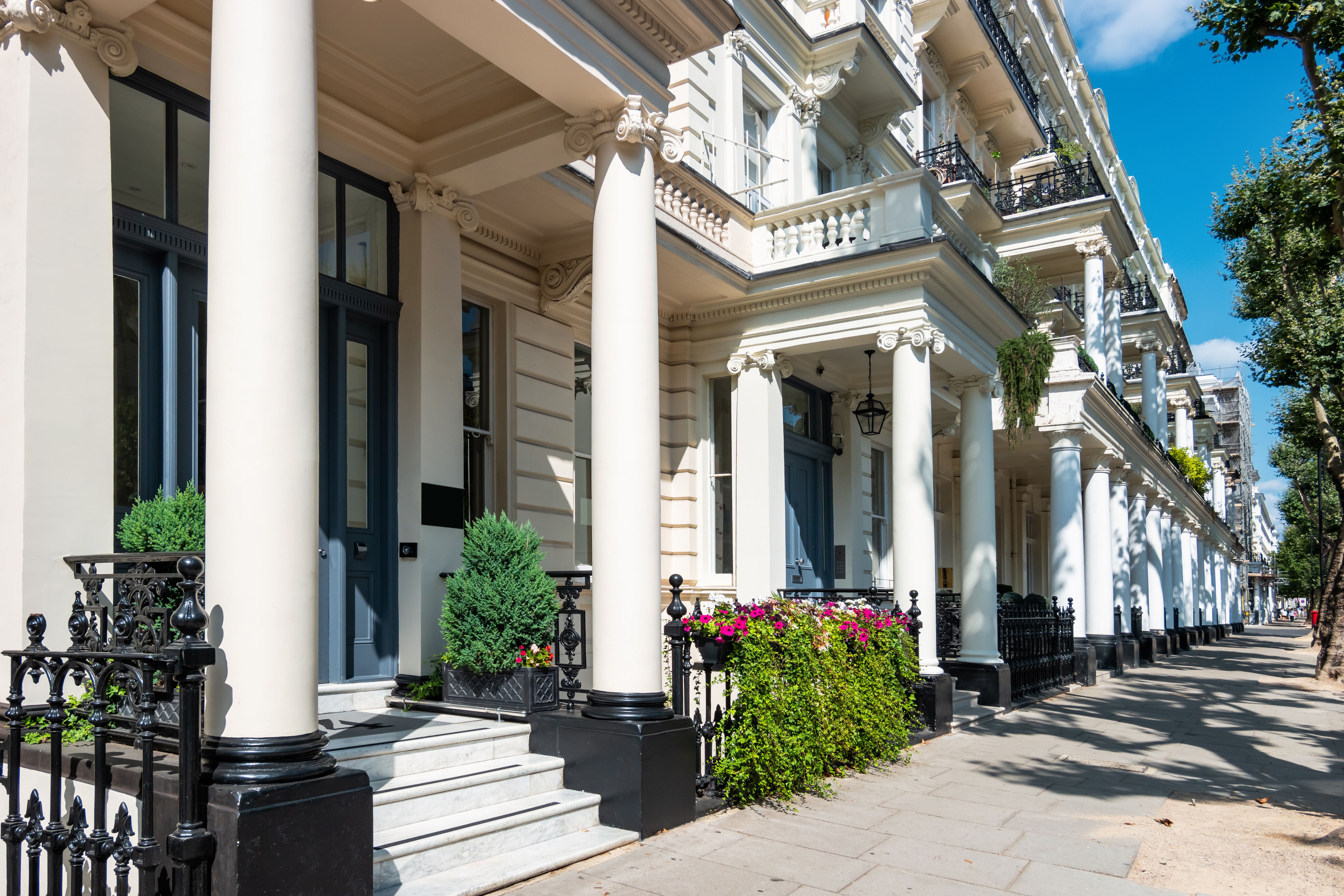
Greater London is home to numerous listed buildings and conservation areas, each subject to specific regulations. If your property falls into one of these categories, you may face additional restrictions. Alterations to listed buildings often require special permissions to ensure that historical features are preserved.
Conservation areas, on the other hand, aim to maintain the unique character of specific neighborhoods. This means that any changes to properties must enhance or retain the area's aesthetic appeal. Understanding these nuances is essential to avoid potential penalties and compliance issues.
Leasehold vs. Freehold Properties
Another important consideration is the distinction between leasehold and freehold properties. In Greater London, many properties are sold on a leasehold basis, where you own the property but not the land it sits on. This arrangement can affect your rights and responsibilities, including ground rent and maintenance fees.

Freehold properties, on the other hand, grant full ownership of both the building and the land. While typically more expensive, they offer more freedom and fewer ongoing costs. It's important to weigh the pros and cons of each type before making a purchase.
Local Taxes and Fees
Property ownership in Greater London also involves understanding various local taxes and fees. The most notable of these is the Council Tax, which is based on the property's value and funds local services like waste collection and road maintenance. Additionally, residents may be subject to other charges, such as congestion fees, depending on the property's location.
Being aware of these costs upfront can help you budget effectively and avoid any unexpected financial burdens. Consulting with a local property expert can provide further insights into the specific taxes and fees applicable to your situation.

Conclusion
Navigating the complex landscape of local property regulations in Greater London can be daunting. However, by understanding planning permissions, property types, and local taxes, you can make informed decisions and avoid potential pitfalls. Always consider seeking professional advice to ensure compliance and optimize your property investments.