
How to Prepare Your London Property for Winter


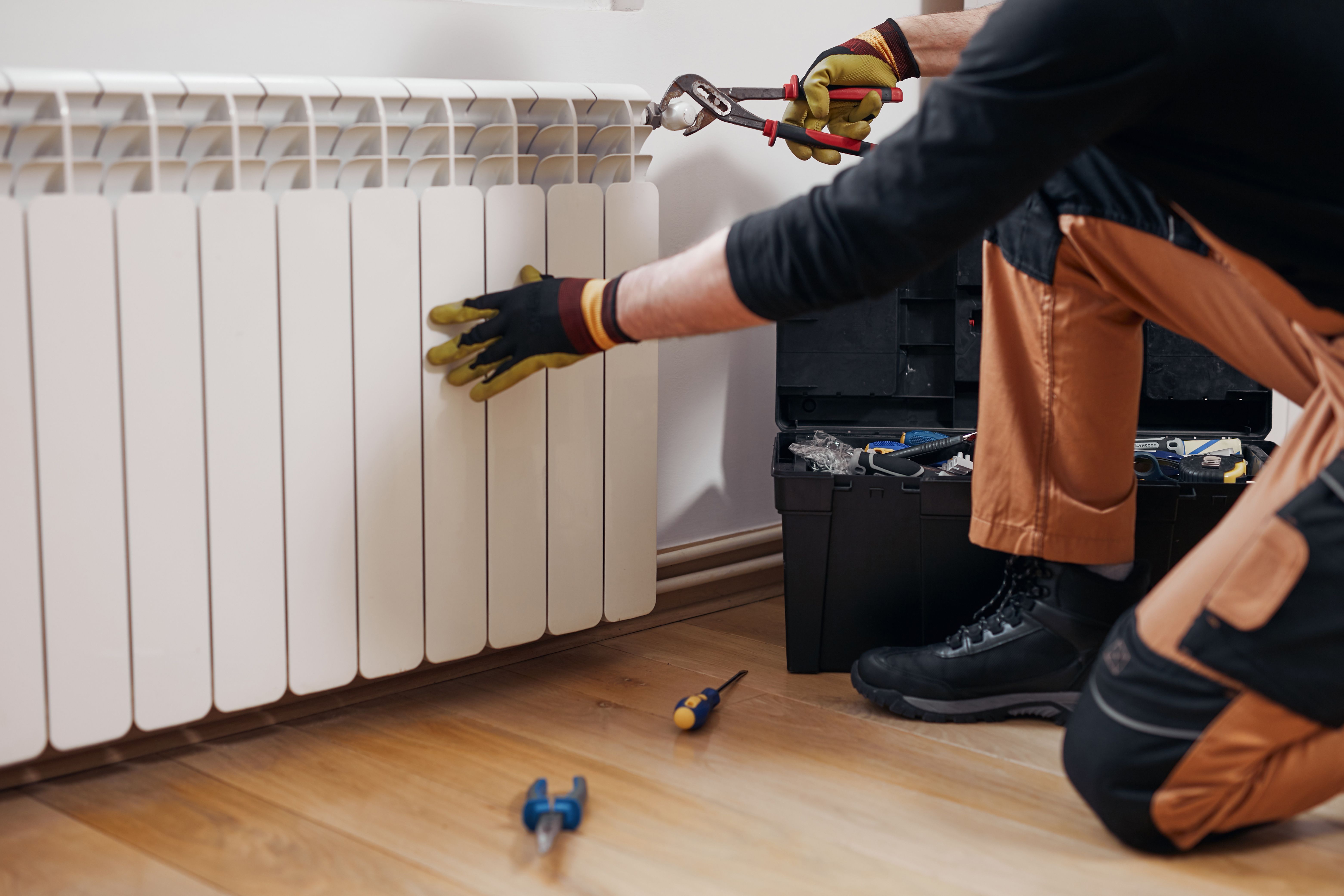
Inspect Your Heating System
As the temperature drops, ensuring your heating system is in top condition is crucial. Begin by checking your boiler for any signs of wear and tear. If you haven't had it serviced in the last year, now is the perfect time to schedule a professional inspection. Regular maintenance can prevent unexpected breakdowns and help your system run more efficiently.
Don't forget to bleed your radiators to remove any trapped air. This simple process can significantly improve their efficiency, ensuring your home stays warm throughout the winter months.
Seal Windows and Doors
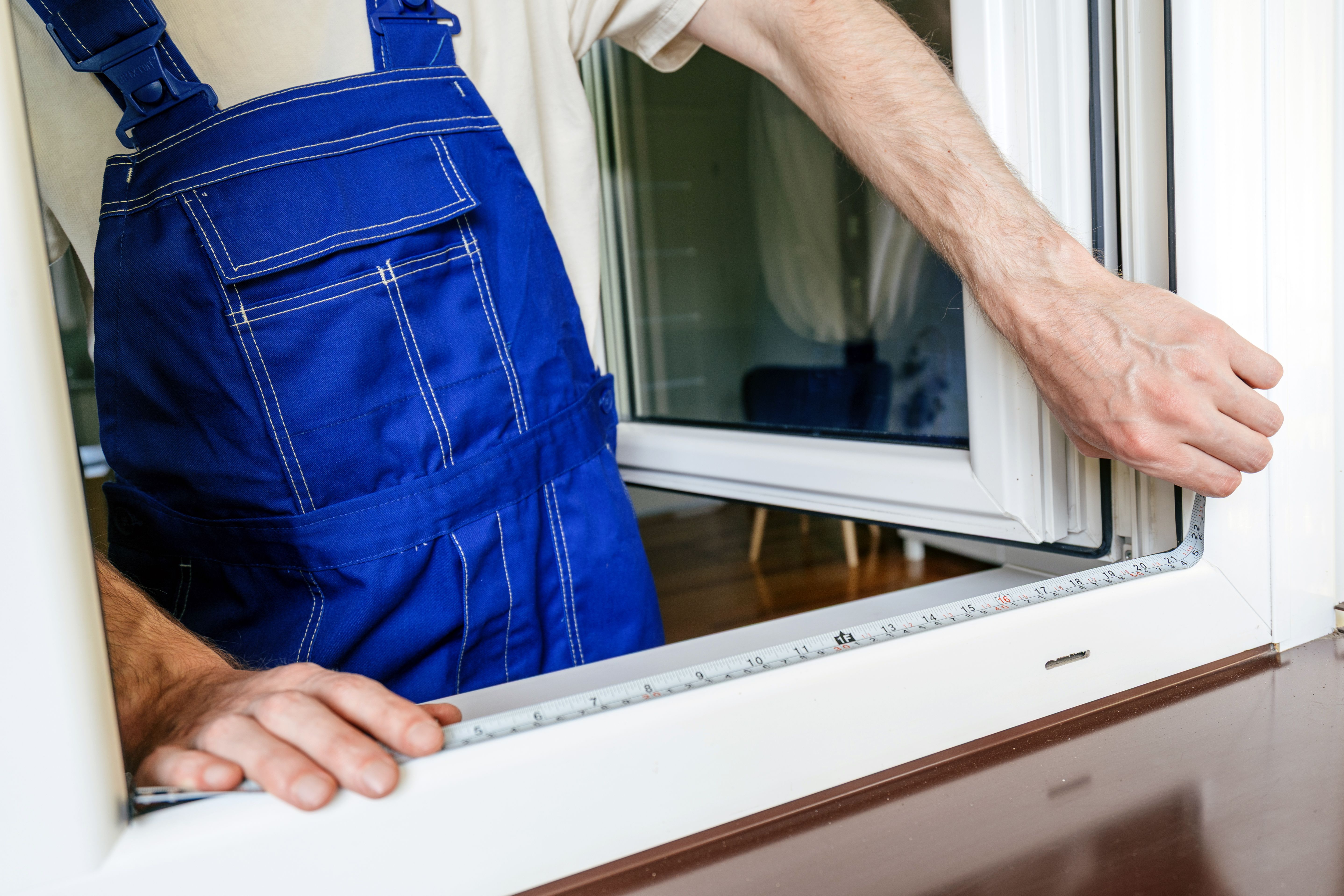
Draughts can be a major source of heat loss in any property. Check your windows and doors for any gaps or cracks that could let cold air in. Caulking or weatherstripping can be effective solutions to seal these areas and prevent heat from escaping.
Consider using thicker curtains or thermal blinds to add an extra layer of insulation, especially in older properties where windows may not be as efficient.
Check Your Roof and Gutters
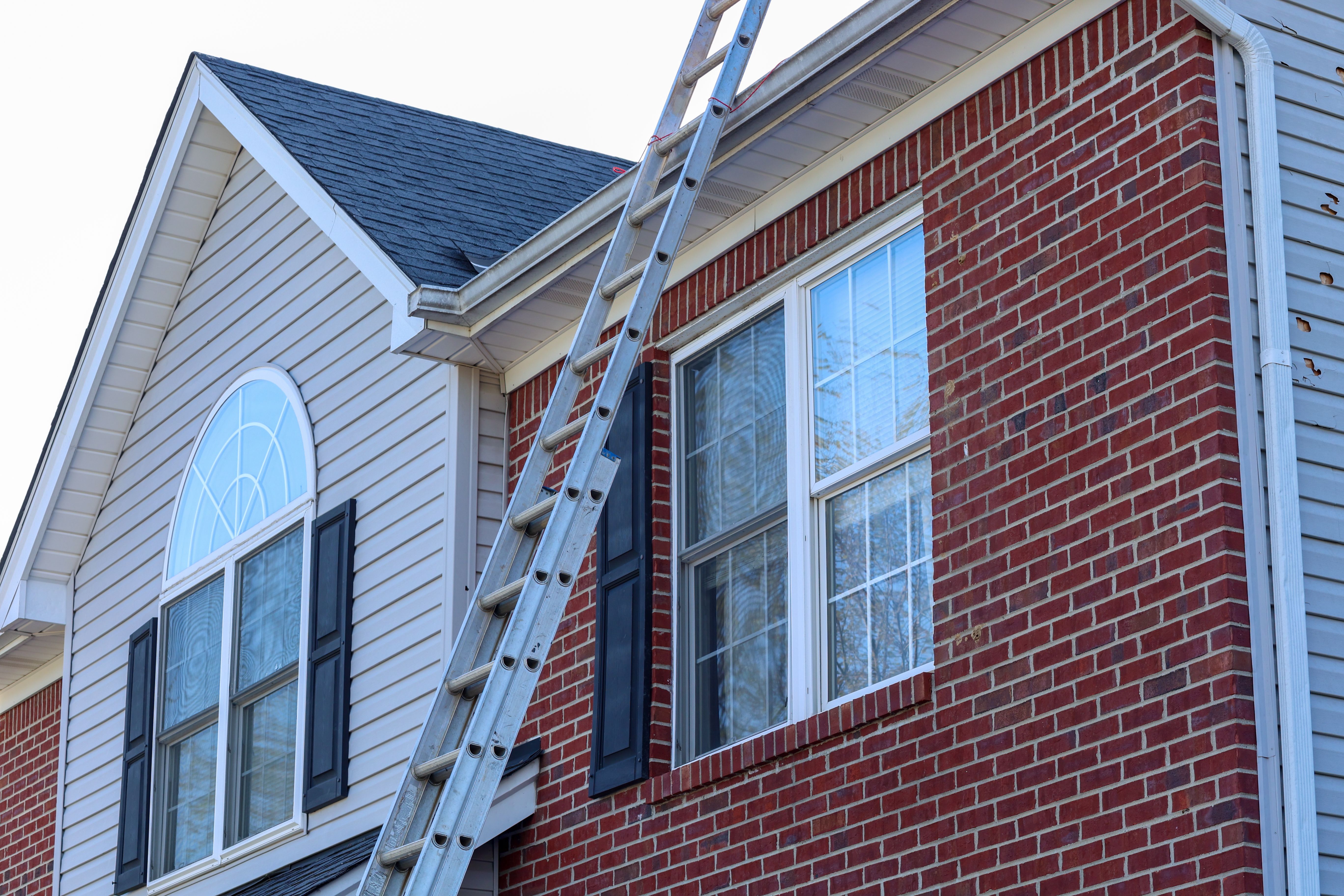
Your roof and gutters play a vital role in protecting your home from the elements. Inspect your roof for any missing or damaged tiles, as these can lead to leaks and water damage. If necessary, hire a professional to make any repairs.
Cleaning your gutters is also essential to prevent blockages that can lead to water overflow and potential damage to your property’s exterior. Ensure downspouts are clear and direct water away from the house.
Insulate Your Home
Proper insulation can make a significant difference in keeping your property warm and reducing energy bills. Check your loft insulation and consider topping it up if it's below the recommended thickness. Wall insulation is another effective way to retain heat.
Don't overlook smaller areas like pipes and water tanks, as insulating these can prevent them from freezing and bursting during cold spells.
Prepare Outdoor Areas
Winter can be harsh on outdoor spaces, so it’s important to prepare them accordingly. Store outdoor furniture and garden equipment in a shed or garage to protect them from the elements.
Trim any overhanging branches that could become hazardous in strong winds or heavy snowfall. Additionally, stock up on salt or grit to keep pathways safe and ice-free.

Test Smoke and Carbon Monoxide Detectors
With increased use of heating systems, the risk of fire and carbon monoxide poisoning can rise. Test all smoke alarms and carbon monoxide detectors to ensure they are functioning correctly. Replace batteries if needed and consider installing additional detectors if your property lacks adequate coverage.
Regular testing can provide peace of mind and ensure the safety of your household during the winter.
Review Your Energy Plan
Winter often leads to increased energy consumption, so reviewing your energy plan can be beneficial. Compare different suppliers to find the best rates and consider switching if significant savings can be made. Many companies offer winter discounts or fixed-rate plans that can provide financial benefits.
Implementing energy-saving measures, such as using energy-efficient bulbs and turning off unused appliances, can also help in managing costs.

Stock Up on Essentials
Prepare for potential bad weather by stocking up on essentials like non-perishable foods, bottled water, and medications. Having a basic emergency kit with torches, batteries, and blankets can be invaluable during power outages.
Consider the needs of all household members, including pets, to ensure everyone is well-prepared for any winter challenges.